How to Choose the Right Materials For Soundproofing Applications
Soundproofing is a vital component to several environments including a home office, a recording studio or reducing sound from a noisy street. It is important

Understanding Sound dampening.
What is Sound dampening?
Reduction in the sound pressure between a noise source and a receiver is termed sound dampening. Materials that absorb, block or dampen sound waves can achieve this. The aim is to make an environment of as little noise as possible, a place of peace.
Why is Soundproofing Important?
The effective soundproofing can make an impact on the quality of life by reducing unwanted noise, providing privacy, and improving the comfort and productivity in a particular environment. In such settings as:
- Busier roads or noisy neighbours close to whom you live in residential areas.
- Concentration in office spaces.
- Being a paramount, recording studios where sound quality is very important.
- To shield workers from the noise polluting industrial areas.
Key Considerations for Choosing Soundproofing Materials
Acoustic Performance
Fundamental to how a material can reduce or block sound is the primary consideration for a material. Sound Transmission Class (STC) and Noise Reduction Coefficient (NRC) are materials rated.
- Sound blocking, however, is the primary consideration when measuring to what degree a material can reduce or block sound — called STC. Sound Transmission Class (STC) and Noise Reduction Coefficient (NRC) are two ways of rating the materials.
- NRC is a measure (of how well) a material absorbs sound. The higher the NRC value, the better the absorption, the reduction of echo and reverberation.
Material Durability: When choosing noise insulation investment, remember that longevity and durability of the material is a major factor. The fact that sound isolation is a long term investment requires you to choose materials that can withstand wear and tear over time. Durable materials offer sustained performance maintaining a quiet environment and less need for replacements and maintenance to achieve more cost effective and reliable means of maintaining a quiet environment.
Installation Process: Ease of installation is a critical factor when selecting the noise insulation materials. Installation can be incredibly laborious, as certain material requires professional installation because of their technical requirements or precision for them to perform optimally. On the other side, there are others that are simple to install and can be installed by DIY folks with their basic tools and skills. If you are not sure what choice to make, first measure how skilled you are and what you have available. A material that fits to your installation techniques choice can better avoid waste of time and means for an effective and efficient sound isolation.
Cost: Budget is always a factor. Balance out cost of materials with amounts of effectiveness. Investing a little more at the initial stage can be more money savvy as it provides better sound insulation and needs minimal maintenance.
Popular Soundproofing Materials
- Mass Loaded Vinyl (MLV): MLV is a dense, flexible material that is great as an acoustic material. It may be used in walls, floors, ceilings. Due to its high mass such sound waves are blocked by MLV making it effective. Installing it is relatively easy and it can be cut to fit whatever area it will be placed in.
- Acoustic Panels: Foam and fibreglass acoustic panels are used in order to absorb sound. Also, these are commonly used in recording studios and home theaters to decrease the echoes and improve the sound quality. Available in many different sizes, colours and designs, acoustic panels are a very versatile product for different aesthetic preferences.
- Fibreglass Insulation: Sound insulation walls and ceilings usually use fibreglass dampening. It does a great job in sound absorption and is also effective in thermal insulation. However, the installation must be done carefully so that there is no gap to carry the sound through.
-
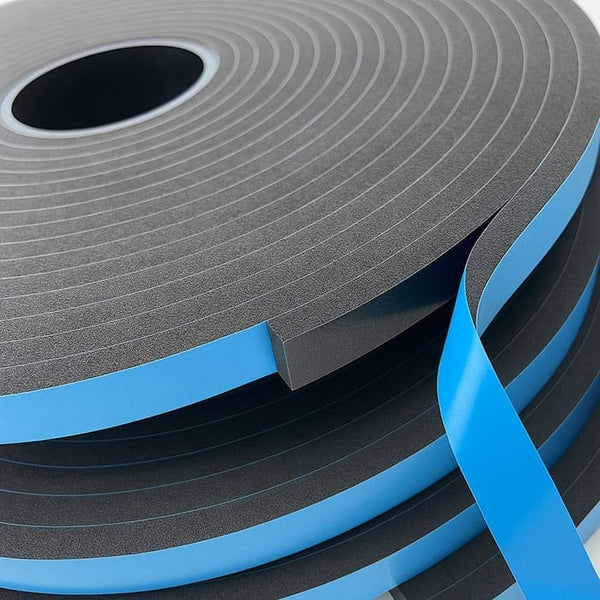
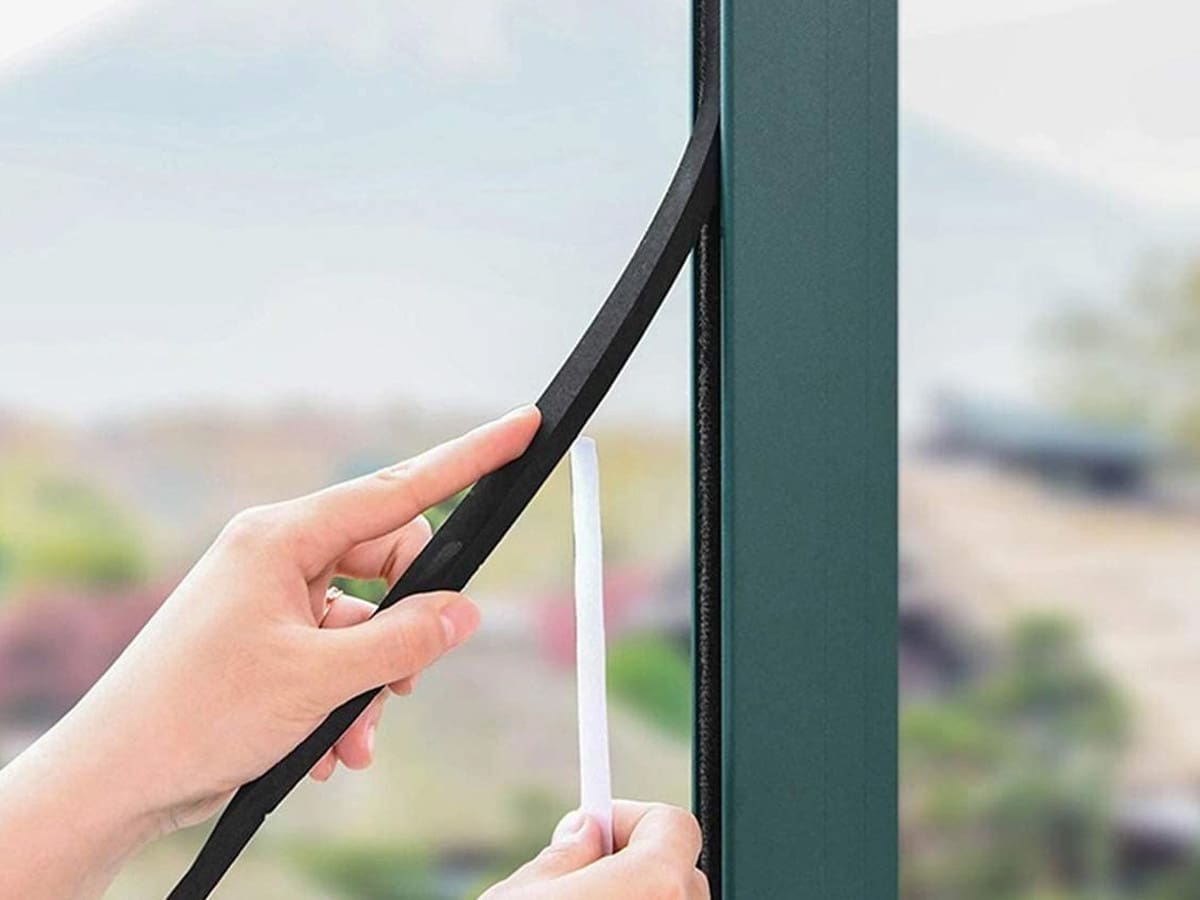
Effective Sealants for Sound Absorbing Gaps and Joints: PVC nitrile foam tape is a great alternative for sealing gaps and joints to keep sound out. Being a combination of the versatility of nitrile and the durability of PVC, it offers an easy to use and ultra reliable solution for soundproofing purposes. This is especially useful for doors, windows and those places where it’s possible for sound to escape through tiny holes.
-
Green Blue: Damping compound such as Green Glue is used between layers of drywall or other building materials. Sound transmission is reduced, and applying it is relatively easy. Green Glue converts sound energy into some small amount of heat, which dissipates the noise.
- Acoustic Sealants: They are used to fill the gaps and cracks where sound can leak through. They are flexible over time and efficient seals between wall, floor, ceiling joints. The use of an acoustic sealant can make quite a difference in the effectiveness of the overall sound insulation.
- Versatile Adhesive Solutions for Applications: Acoustic panels and other soundproofing materials often use foam tape for adhesion. It has strong adhesion capability and a simple level of sound absorption. This is a perfect item for temporary or adjustable items, for example, sound insulating materials..
Tips For Effective SoundProofing.
-
Identify Noise Sources: Identify the main sources of noise before commencing any sound insulating project. So this will assist you to focus your efforts more and pick up the proper materials for your distinct situation.
-
Use Combination of Materials: The overall effectiveness can be improved with the usage of a combination of sound absorbing materials. For instance, a mixture of mass loaded vinyl and acoustic panels and sealants can both block and absorb sound, dealing with various aspects of noise reduction.
-
Pay Attention to Details: Gaps and cracks that are small in size can have a major effect on how well you will absorb sound. Seal all possible sound leaks with use of appropriate materials such as acoustic sealing tapes and foam.
- Consider Professional Help: For complex soundproofing projects, especially in commercial or industrial settings, consider consulting a professional. They can provide expert advice and ensure the materials are installed correctly for maximum effectiveness.

Ready to Get Started with Soundproofing?
Explore our wide range of soundproofing materials at My Tape Store.
Any kind of high-quality product you need, we have everything you need to create a quieter, more comfortable environment.
Visit our online store today to explore collection of adhesive tapes and take the first step towards effective sound isolation!
Our PVC Nitrile Foam Tape is available in multiple sizes like 12mm to 48mm. If you require a custom size of PVC Nitrile Foam Tape, we can slit it to your specifications. For ongoing usage, we can accommodate your needs by maintaining stock and ensuring next-day delivery.